Avoid Damage: Fragile Furniture Moves in Coney Hall
Fragile furniture moves in Coney Hall can look straightforward right up until the moment you meet a narrow hallway, a glossy cabinet, or a glass-topped table that shifts just a little too fast. Then the whole move changes. A small knock becomes a chip, a scrape, or a cracked panel. Not ideal, obviously.
This guide is built to help you avoid that kind of damage. Whether you are moving a delicate dining set, a mirrored sideboard, a vintage chest, or an awkward item with weak joints, you will find practical steps here for packing, lifting, loading, and transporting furniture more safely around Coney Hall. We will also cover when it makes sense to bring in specialist help, what mistakes to avoid, and how to plan a move that feels calm rather than chaotic.
Truth be told, fragile furniture is rarely "fragile" because of one single weakness. It is usually a mix of age, finish, shape, weight, and the way it has to travel. That is why a careful method matters.
Why Avoid Damage: Fragile Furniture Moves in Coney Hall Matters
Fragile furniture is often where a move becomes personal. A sofa can be replaced. A flat-pack table, maybe. But the sideboard your family has had for years, the cabinet with hand-cut joints, or the dining table you saved for can be another story. Once a veneer lifts or a leg twists, repairs can be costly and sometimes incomplete.
In Coney Hall, the challenge is not just the item itself. It is the route. Door frames, stair turns, tight landings, parking distance, damp weather, and last-minute timing all add pressure. Even a short move can be risky if the item is awkwardly shaped or the home layout forces a lot of turning.
That is why fragile furniture removals deserve more than "just be careful." You need a process. Careful planning reduces the chance of scratches, crushed corners, split joints, and impact damage during loading and unloading. It also reduces stress, which matters more than people admit. When the clock is ticking and the kettle is boiling in the background, that's when mistakes happen.
For many households, the safest approach is part DIY, part professional support. If you are already organising the wider move, the advice in mastering a stress-free home relocation can help you structure the day so fragile pieces are handled at the right moment, not squeezed in as an afterthought.
Key point: the aim is not to make furniture invincible. It is to remove the common causes of damage before they have a chance to do anything.
How Avoid Damage: Fragile Furniture Moves in Coney Hall Works
A safe fragile furniture move follows the same broad logic every time: assess, protect, move, secure, and re-check. Simple on paper. Slightly less simple in a hallway with a bookshelf leaning the wrong way. Still, the method works well if you stick to it.
1. Assess the furniture properly
Look at each item before touching it. Check for loose handles, cracked joints, wobbly legs, thin veneers, glass inserts, mirrors, or decorative details that can snag. If something already feels unstable, do not assume the move will somehow improve it. It won't.
2. Measure the route
Measure the furniture and the route through doors, staircases, corners, lifts, and hallways. This is especially useful in older properties or compact flats. If the item has to be turned on an angle, you want to know that before you are halfway through the doorway.
3. Disassemble what can be safely removed
Remove shelves, glass panels, legs, drawers, and loose parts where possible. Bag screws and fixings together and label them clearly. A small envelope taped to the underside works better than a mysterious plastic bag that vanishes by tea time.
4. Wrap and protect in layers
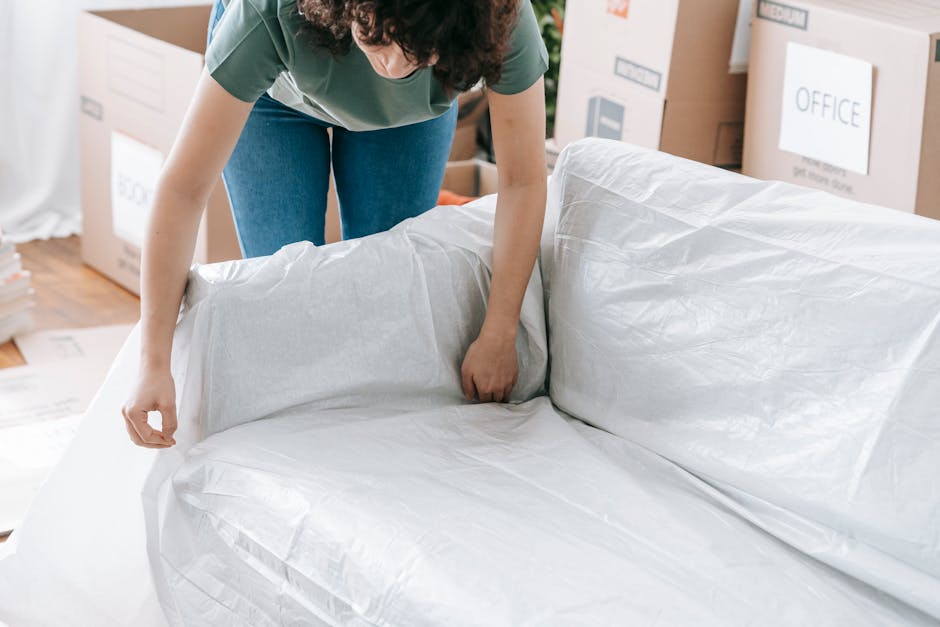
Use soft wrapping for surfaces, corner protection for edges, and outer protection for the full item. The wrapping should stop rubbing, vibration, and accidental bumps. It should not be so tight that it puts pressure on delicate joints or decorative finishes.
5. Move with control, not speed
Lift using a steady technique, keep the load balanced, and avoid sudden twists. One person should call the movements if two or more people are handling the item. That little bit of coordination saves a lot of awkward shuffling.
6. Secure it properly in the van
Once in the vehicle, fragile furniture must be immobilised. Use straps, blankets, and spacing so nothing slides into it. Heavy items should not sit directly against delicate surfaces. A soft buffer matters more than people think.
If you are unsure about safe lifting or awkward angles, a practical guide like the essential guide to mastering kinetic lifting can help you understand body position, balance, and force more clearly. And if the item is especially heavy as well as delicate, the art of lifting heavy objects alone is worth reading before you even begin.
Key Benefits and Practical Advantages
Protecting fragile furniture is not just about avoiding repairs. It changes the whole tone of the move.
- Less risk of permanent damage: good wrapping and handling protect finishes, joints, glass, and structural parts.
- Lower stress on moving day: when you know the route and the packing plan, the job feels manageable.
- Better use of time: fewer delays caused by stuck furniture, damaged parts, or last-minute fixes.
- Improved safety: stable lifting and proper securing reduce the chance of slips and strains.
- Cleaner unpacking: furniture arrives ready to place rather than needing immediate repairs or cleaning.
Another quiet benefit: good protection tends to make the whole move feel more organised. That matters if you are moving a full home, not just one item. A tidy packing system usually spreads to the rest of the day too. Funny how that works.
If your fragile pieces are part of a larger house move, it helps to align the item plan with broader moving prep. The advice in the ultimate guide to hassle-free packing for your move is useful for sequencing, labelling, and reducing clutter before the van arrives.
Who This Is For and When It Makes Sense
This approach is useful for anyone moving items that can be damaged easily, but it is especially relevant if your furniture is old, valuable, awkward, or sentimental. If any of those words fit, you should probably slow down and plan more carefully.
It makes sense for:
- Homeowners moving heirloom furniture or polished wood pieces
- Renters relocating fragile items between flats or shared homes
- Families moving glass-fronted cabinets, mirrors, or display units
- Students or young professionals moving lighter but delicate furniture
- People combining storage with a later delivery date
- Anyone dealing with stairs, narrow landings, or limited parking access in Coney Hall
It is also a sensible route if you are working to a tighter deadline. In those situations, people sometimes rush because the move is "only local." That can backfire. Distance is not the issue; handling is.
If the move is part of a smaller property transition, you may also find it helpful to review flat removals in Coney Hall alongside your furniture plan. Flat moves often involve more turning, lifting, and shared access than people expect.
Step-by-Step Guidance
Here is a practical workflow you can follow for fragile furniture moves in Coney Hall. It is not fancy. It is just effective.
- Make a furniture list. Write down each fragile item and note what makes it vulnerable: glass, veneer, loose fittings, weight, or shape.
- Photograph the items. Take quick photos before wrapping. If there is existing wear, you will know what was already there.
- Clear the route. Remove clutter, mats, trailing cables, and anything that could catch your feet or the item.
- Disassemble where safe. Take off shelves, legs, mirrors, and loose hardware if the furniture is designed for it.
- Wrap each component separately. This keeps surfaces from rubbing against each other during loading.
- Use corner and edge protection. Corners are where damage starts. They are the first thing to hit a doorway, always.
- Assign roles. One person leads, another supports, and nobody improvises halfway down the stairs.
- Load the van in order. Put the heaviest stable items in first, then place fragile pieces where they will not be crushed.
- Strap and pad the load. Stop movement inside the vehicle. If it can slide, it eventually will.
- Unpack carefully on arrival. Remove outer protection first, inspect for issues, and only then reassemble.
If your move involves a few unusually awkward objects, it can help to read about the risks around specialist items like pianos. The article on moving a piano alone gives a good sense of how quickly delicate handling becomes a serious job when weight and fragility collide.
One small but useful habit: keep a "first-open" bag with screwdriver bits, tape, scissors, a marker pen, and cloths. It sounds obvious. It is often the missing bit, though.
Expert Tips for Better Results
Here is where the small details really count. The basics protect the furniture. The finer points protect your patience.
- Don't overwrap soft wood finishes. If a delicate surface gets compressed too hard, the wrap can leave marks or pressure points.
- Keep glass vertical where possible. Flat storage can be riskier for panes, especially if they are thin or framed.
- Use moving blankets as a buffer, not a fix. They help, but they do not replace proper lifting or securing.
- Protect the path, not only the item. Door frames and stair walls often suffer because nobody wraps the route.
- Pause before tight turns. A five-second reset can prevent a nasty scrape.
- Load fragile furniture away from loose tools. A stray dolly handle or toolbox is all it takes to make a dent.
For sofas and upholstered items, there is a very similar mindset around protection and storage. Even if your item is different, the principles still help. Take a look at pro tips for extended sofa storage if you want more insight into padding, airflow, and preventing surface damage over time.
And if your fragile furniture move is also time-sensitive, the practical advice in emergency rapid removals in Coney Hall can help you think through speed without losing control. Fast does not need to mean careless.
Expert summary: protect the item, protect the route, protect the load. If one of those three is missing, the risk goes up quickly.
Common Mistakes to Avoid
Most furniture damage during moves is preventable. The problem is that the mistakes feel small at the time. They are easy to shrug off. Until the chip appears.
- Using the wrong packaging: thin plastic wrap alone is not enough for delicate surfaces.
- Leaving loose parts attached: handles, legs, shelves, and glass panels can wobble free under movement.
- Forcing furniture through tight spaces: if it does not fit cleanly, stop and reassess instead of pushing harder.
- Stacking heavy items on top: weight should never bear directly on fragile frames or finishes.
- Rushing the loading sequence: quick loading often leads to poor placement inside the van.
- Ignoring weather: rain and damp are not kind to wood, cardboard, or fabric edges.
- Not checking old damage first: you cannot distinguish old and new marks if you never looked.
There is another common one: assuming a short move means no preparation. A ten-minute journey can still end with a cracked corner if the item slides once inside the van. Moving is a transport problem, yes, but also a friction problem, a balance problem, and occasionally a common-sense problem.
If you are trying to reduce the overall amount of stuff before moving day, decluttering before the move can make fragile furniture handling much easier. Less clutter usually means fewer collisions and less pressure on the van.
Tools, Resources and Recommendations
You do not need a warehouse of equipment, but the right few tools make a big difference. Most fragile furniture damage happens because people try to "make do" with whatever is lying around the house. That usually ends with a scratched surface and someone saying, "I knew that would happen."
| Tool / resource | What it helps with | Best use case |
|---|---|---|
| Moving blankets | General surface protection and padding | Wood, painted, and polished items |
| Corner protectors | Reducing impact at vulnerable edges | Tables, cabinets, mirrors, and frames |
| Furniture straps | Keeping items stable during lifting or transport | Loading and van securing |
| Labels and marker pens | Tracking components and fixings | Disassembly and reassembly |
| Soft tape | Securing protection without heavy adhesive marks | Wrapped panels and delicate finishes |
| Storage planning | Keeping items safe between move dates | Delayed completion or staggered relocation |
For boxed items and accessories, a specialist packing approach helps keep the move coherent. If you need to organise protective materials or source the right box types, packing and boxes in Coney Hall is a sensible place to understand how a proper packing setup supports the rest of the move.
If your furniture needs to sit somewhere temporarily, short-term storage can be the safer option than crowding items into a van before you are ready. A sensible storage plan is often the difference between "we managed it" and "we nearly managed it."
Law, Compliance, Standards, or Best Practice
For a furniture move, the main legal and practical concern is safe handling. In the UK, removals work is normally expected to follow reasonable health and safety practice, especially where lifting, access, and vehicle loading are involved. You do not need a law degree to do a move well, but you do need to take risk seriously.
Best practice usually means:
- Using enough people for heavy or awkward items
- Avoiding unsafe lifting positions and sudden twisting
- Protecting floors, walls, and door frames during transit through the property
- Securing loads so items cannot move freely in the vehicle
- Checking that access routes are clear and safe before lifting starts
If you are hiring help, it is fair to ask about insurance, handling methods, and what protection is included. That is not being difficult; it is being sensible. A professional team should be able to explain how they approach fragile items, what they will and will not pack, and how they reduce risk on the day.
For extra peace of mind, many people also want to understand how safety and cover are handled during the move. The page on insurance and safety is useful if you want to think through protection before booking. It is always better to ask a slightly boring question now than have a very exciting problem later.
If you are comparing providers, the differences between prices can reflect access, item fragility, handling time, and vehicle requirements rather than just distance. The guide on why moving quotes vary gives a helpful sense of why careful furniture work may cost more than a basic load-and-go job.
Options, Methods, or Comparison Table
There is more than one way to move fragile furniture safely. The right choice depends on value, size, access, and how much help you have.
| Method | Strengths | Limitations | Best for |
|---|---|---|---|
| DIY with careful packing | Lower direct cost, full control | Higher physical effort, more risk if you misjudge lifting or loading | Small fragile items, short routes, confident movers |
| DIY with extra help from friends | More hands for lifting and stabilising | Coordination can be messy; not all helpers know safe handling | Medium items, stairs, and awkward turning points |
| Professional furniture move | Better handling, safer loading, less stress | Higher cost than doing it yourself | Valuable, bulky, or fragile items |
| Storage-first move | Reduces rush, useful if dates do not line up | Requires extra planning and storage access | Delays, staged moves, and long-gap handovers |
In many real situations, a hybrid plan works best. For example, you might pack and label the delicate pieces yourself, then use a van service for lifting and transit. That can be a smart middle ground, especially if you already know which item gives you that uneasy feeling just looking at it.
If you are moving a broader mix of items, the general services overview can help you compare what fits your move without overcomplicating things. You may also want to look at the services overview and furniture removals in Coney Hall when deciding whether a specialised approach is worthwhile.
Case Study or Real-World Example
Here is a typical local scenario. A household in Coney Hall needed to move a glass-fronted cabinet, a walnut dining table, and two matching chairs from a first-floor flat into a house nearby. Nothing huge, but all of it vulnerable in different ways. The cabinet had delicate glazing. The table had a polished top that marked easily. The chairs had older joints that moved a little if lifted badly.
The move worked well because the team did three things early. First, they measured the stair turns and checked the landing space. Second, they removed the cabinet shelves and wrapped the glass separately. Third, they loaded the table vertically, with padding between each contact point. No drama. No panic. Just a steady, sensible process.
The interesting part? The actual driving time was the easy bit. The real difference came from preparation in the hallway before the van was ever touched. That is often how fragile moves go. The road is not the problem; the handling is.
Another common real-world example is a same-day move where one item is especially delicate and the rest are ordinary. In those cases, people sometimes try to rush the whole job. Better to isolate the fragile piece, protect it properly, and move it separately if needed. If time is tight, the article on rapid removals in Coney Hall is relevant because it helps you think about urgency without turning the move into guesswork.
And yes, one loose screw can make an entire dining chair sound like a tiny complaint. Not exactly the soundtrack you want on moving day.
Practical Checklist
Use this checklist before you move fragile furniture in Coney Hall. Keep it simple and tick things off as you go.
- Measure each fragile item and the access route
- Check for loose fittings, chips, and cracks beforehand
- Photograph items for your own records
- Remove shelves, drawers, mirrors, legs, and detachable parts where safe
- Label every bag of screws, bolts, and fixings
- Wrap corners and edges before full coverage
- Use clean blankets or protective wraps for delicate surfaces
- Clear the route inside the property
- Confirm who is lifting and who is guiding
- Reserve the van space so fragile items are not crushed
- Strap items securely once loaded
- Inspect items again after unloading
- Set aside tools for reassembly before the move starts
Quick reminder: if you are still sorting through what to keep, what to store, and what to move now, a little decluttering can remove a lot of pressure. That part is not glamorous, but it really helps.
Get a free quote today and see how much you can save.
Conclusion
Avoiding damage during fragile furniture moves in Coney Hall comes down to good judgment, calm handling, and a process that protects both the item and the route. Measure first. Wrap properly. Lift with control. Load with care. Those basics sound ordinary, but they are exactly what keeps a good piece of furniture from becoming an expensive headache.
If there is one thing to take away, it is this: fragile furniture does not need perfect conditions, just consistent ones. A bit of planning goes a long way, and in a move that can feel noisy and rushed, that steady approach is worth its weight in gold. Or close enough.
So if you are getting ready to move a delicate piece soon, slow the pace a little, prepare properly, and trust the method. Your furniture will thank you for it, quietly, in its own way.
Frequently Asked Questions
What counts as fragile furniture during a move?
Fragile furniture usually includes items with glass, mirrors, polished finishes, veneer, thin frames, loose joints, decorative trims, or older construction that can weaken under pressure.
How do I protect furniture from scratches when moving?
Use clean blankets, soft wraps, corner protection, and secure fastening. Scratches often happen when items rub against each other, door frames, or loose tools inside the van.
Should I dismantle fragile furniture before moving it?
If the furniture is designed to come apart safely, yes. Removing legs, shelves, and glass panels often reduces risk and makes handling much easier. Just keep the fixings clearly labelled.
Is bubble wrap enough for delicate furniture?
Usually not on its own. Bubble wrap can help with cushioning, but fragile furniture often needs a wider system of protection, including blankets, edge guards, and proper load securing.
How do I move fragile furniture down stairs safely?
Move slowly, keep the item balanced, and use at least one person to guide the route. If the furniture is large or awkward, stairs are one of the clearest signs that professional help may be the better option.
Can I transport fragile furniture in a regular van?
Yes, if the item is properly wrapped, secured, and protected from movement. The key is not the van itself but how the load is arranged inside it.
What is the biggest mistake people make with fragile furniture moves?
Rushing. People often focus on speed rather than route clearance, wrapping, and van loading. That is when knocks, scrapes, and cracked edges happen.
When is it worth booking professional furniture removals?
It is usually worth it when the item is valuable, awkward, heavy, sentimental, or difficult to carry through stairs or tight spaces. If you feel unsure, that is already useful information.
How can I make moving day less stressful for delicate items?
Prepare the route, label everything, pack earlier than you think you need to, and move fragile items before the rest of the house gets crowded. A bit of order changes everything, honestly.
Can fragile furniture be stored before the move?
Yes, and sometimes that is the safer choice if your dates do not line up or your home is too busy. Make sure the item is clean, dry, and protected from pressure and damp before storage.
Do I need special insurance for fragile furniture?
It depends on the value and the move setup. It is sensible to ask how cover works, what is included, and whether fragile items need any special declaration before transport.
What should I check after fragile furniture has been moved?
Inspect corners, joints, glass, surfaces, and fittings straight away. If anything looks loose or marked, deal with it before reassembly so you can pinpoint whether the issue came from transport or handling.