Man with van in Coney Hall

Our man with van service in Coney Hall is set up for practical, careful moving work where a full removals lorry may be more than you need. It suits customers who want items transported cleanly, loaded sensibly and delivered without fuss. We can help with single bulky pieces, part-load moves, small household moves and straightforward collection-and-delivery work, with the emphasis on safe handling, sensible planning and clear communication from first enquiry to completion.
The service is often chosen when the job needs flexibility rather than a large-scale move plan. That might mean moving a few rooms’ worth of belongings, taking furniture to storage, or shifting possessions between addresses in stages. If you need a broader look at the kind of moving work we cover, our removal services page gives a useful overview, while this page focuses on the kind of day-to-day van work people typically ask for in and around Coney Hall.
We aim to keep the process straightforward. Tell us what needs moving, where it is going and whether there are any access details that matter, such as stairs, tight entrances or restricted parking. That information helps us shape the job properly and reduce avoidable delays. If you are comparing options, you can also review our pricing and quotes page for a better sense of how estimates are put together before you request one.
Flexible moving help for homes, flats and smaller loads
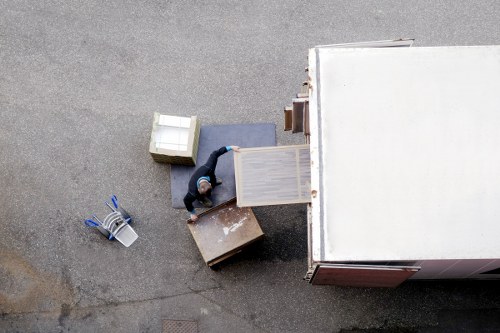
A man with van service is useful because it sits between courier delivery and a full removal crew. It can support moves that are too involved for a car but do not justify a larger vehicle and a bigger team. For many customers, that means moving boxes, dismantled furniture, white goods, or a compact set of household items in one organised trip. It can also work well when the load is awkward rather than heavy in volume, because positioning and securing items properly matters as much as transport itself.
We handle this kind of work with a practical loading approach. Items are arranged so that heavier objects can sit securely, fragile pieces can be separated where needed and usable space in the van is not wasted. If you are weighing up whether a dedicated van job or a more traditional house move is the better fit, the relevant information on our home moves page may help. A clear list of what is going can make the difference between a tidy single journey and an unnecessarily complicated move.
For customers who only need particular pieces shifted, a smaller move can be the most economical and manageable option. It can also suit jobs where timings need to be more adaptable, or where belongings are being moved to several places rather than one destination. We keep the scope realistic: careful transport, sensible loading and direct handling are the core of the service, not unnecessary extras or inflated promises.
Furniture, household items and practical collection work

Many man with van bookings are really furniture moves in disguise. A sofa, wardrobe, bed frame, table, washing machine or set of boxed belongings can all be simpler to move when there is a vehicle chosen for the job and enough space for secure placement. Our furniture pick-up page covers the collection side of this kind of work, and it is a useful reference if your main need is to get one or more items from a seller, storage point or address into your own property.
Because furniture varies so much in shape and condition, loading is rarely as simple as putting everything in at once. We consider size, fragility and how the item should travel. That can mean keeping painted surfaces apart, protecting corners, or positioning items so they do not rub during transit. If you have dismantled pieces, boxed fittings or loose parts, keeping them together in one clearly described group makes the move smoother and reduces the chance of leaving something behind.
There is also a practical benefit in using a service that can adapt to a mixed load. One job may combine furniture, soft furnishings and a few personal belongings; another may be almost entirely made up of one awkward item that needs proper handling. The common thread is that the journey should be planned around the load, not the other way round. If you want to broaden the move into a more general house relocation, our house removals page explains that side of the work in more detail.
Domestic moving support and sensible planning
For domestic moves, the value of a van-based service is often in keeping the job manageable. It is useful when you need belongings moved from one home to another without building the day around a large-scale removal operation. That can include a starter property, a small flat, a shared house or a partial move where only selected rooms or categories of items are going. The important point is that the work stays organised, direct and suited to the amount being moved.
To help the day run well, it is useful to group items by room or purpose and to keep anything especially delicate clearly identified. A brief written list is often more helpful than a long explanation, especially when the load is varied. If there are multiple collection points or you need a move involving different stages, mention that early so the route and vehicle use can be considered properly. You can also check the broader approach on our house movers page if you want to compare household moving support with other options on the site.
Good planning does not need to be complicated. It simply means matching the van space, handling method and timing to the actual job. That may involve deciding what can travel together, what should be wrapped or separated, and whether the move is best treated as a single load or a sequence of smaller ones. Clear access information is useful here too, because it helps avoid unrealistic assumptions about parking, carrying distance or where items can be taken from and to.
Office and business moves with a smaller vehicle

Commercial customers sometimes need a modest moving service rather than a full office removal operation. A van can be the right scale for desks, chairs, boxed files, monitors, compact storage units and selected items from a work area that is being reconfigured or relocated. Our office removals page covers the broader office side of the service, but the man with van option is often useful when the task is limited, staged or needs to be completed with minimum interruption.
Business moves usually benefit from a tidy sequence: items listed, packed, labelled and loaded in a way that reflects how they will be used at the other end. That applies whether you are moving a home office, a small studio, a consulting room or a compact commercial unit. Keeping boxes grouped by department or purpose helps the unloading process, and it is often easier to place fragile equipment near the top or away from heavier items so it stays stable during transit.
If you are arranging a workplace move, we recommend thinking not only about what is going, but also about what needs to be available immediately after arrival. That can change the loading order and where each item should be placed when it is delivered. For a wider sense of the business-moving work we support, the commercial moves page is a useful place to look. Practical organisation is what keeps these smaller jobs efficient.
About Coney Hall

Coney Hall is a residential area in the London Borough of Bromley, close to the south-eastern edge of Greater London and near the boundary with Kent. It is best known as a settlement that grew substantially during the interwar period, when suburban expansion changed the landscape from a more rural fringe into a neighbourhood of streets and homes. The area takes its name from Coney Hall, a historic house and estate site, though much of the present-day character comes from twentieth-century housing rather than the older estate form. The local road pattern reflects that suburban growth, with estate streets, connecting routes and quieter residential sections creating a largely low-rise environment. Nearby green space and open land are an important part of its setting, giving the district a calmer feel than many inner suburban locations. The area sits within reach of wider Bromley amenities while retaining its own local identity, and its built form is dominated by family housing, local community facilities and everyday services rather than large-scale commercial districts. As with many outer-London neighbourhoods, the story of the place is closely tied to transport, housing development and the gradual spread of the city into once-separate margins. That gives Coney Hall a recognisably suburban character: residential, practical and shaped by the gradual layering of older and newer streets.
Packing, access and route details
When you request a quote, the most useful details are usually the simplest ones: what is moving, how much there is and where it needs to go. A short description of the load is enough to start with, and it helps to know whether items are already packed, partly dismantled or still assembled. If there are narrow hallways, upper floors, basement storage areas or shared entrances, mention those points so the work can be planned with a realistic lifting and carrying method. This is often more valuable than trying to guess every minute of the job in advance.
Access can influence how a van job is approached just as much as the contents themselves. Parking position, building rules, loading restrictions and the distance from the door to the vehicle all matter. If the move includes pieces that need extra care, say so early rather than waiting until the day. It is also sensible to mention whether your move is one-way, return-based or involves several stops. That kind of information lets us keep the arrangements clear without adding unnecessary complexity. For another useful reference point, see moving van if you want to understand the vehicle-focused side of the service.
Two practical steps can make the process easier: group similar items together and flag anything that needs special handling. If you have flat-pack furniture, boxed household goods or a mix of everyday possessions and fragile items, keeping them separate will make loading tidier and unloading faster. It also helps if any items that should not be stacked are identified in advance. That makes the moving day calmer and gives the quote a better chance of reflecting the real work involved.
Household and flat moves at a workable scale
A smaller removals vehicle can suit a move from a flat, a terrace house or a property with limited access. In those cases, a man with van arrangement may be preferable because it gives enough capacity for furniture and boxes without introducing the overhead of a much larger operation. Our house removalists page is helpful if you want to compare the level of support available for larger or more structured domestic moves.
What matters most is that the load is approached realistically. Some customers need one trip with a manageable amount of furniture; others need a sequence of collections, perhaps from storage and then a home address. Both can work well when the vehicle size and loading plan are matched to the job. That can also include items picked up on behalf of a buyer or someone downsizing, where the emphasis is on getting the belongings moved safely rather than on elaborate packaging or long-winded administration.
If you are deciding between a van-based move and a full removal service, think about the volume, the fragility of the items and the amount of handling involved. Where the answer is straightforward transport of a moderate load, a smaller service is often the most sensible fit. If the work is more substantial, it may be better to review the wider information on our removals page before you choose a plan.
What the service can include
The main value of a man with van service is its versatility. It can cover straightforward item transport, household moves, furniture collection, local delivery and light removal work without turning every job into a major event. In practice, that means we can support customers who need a neat, direct solution for a load that is important but not overly complex. It is a service built around moving the right things in the right way, rather than adding unnecessary extras.
Typical jobs may include one-off furniture collections, transport of boxed belongings, compact domestic moves, small office items, or moving possessions between a home and storage. If the job is centred on one main item, that can be the focus; if the load is mixed, we can work from a simple list and keep the route sensible. For customers who want a van-only option with more explicit vehicle emphasis, our removal van page may be a helpful comparison.
If you are preparing to ask for a quotation, the best approach is to be concise but complete. You do not need a perfect inventory before you make contact, but it is useful to be clear about the main pieces, the pickup and delivery points and any access issues that may affect loading. That allows the response to be based on the actual work. A quick check of your dates and the number of stops can also save time. When the details are accurate, the plan is easier to shape.
Choosing the right moving option
People often compare a man with van service with full removals, self-drive hire or parcel delivery. Each has its place, but the right choice depends on the size of the load, how much lifting is involved and whether you want the move to be handled in one organised process. A van-based service can be particularly useful where the load is too large for personal transport but not large enough to justify a dedicated removal crew and large vehicle.
Some customers are also moving in stages, which makes flexibility important. That might involve collecting furniture first, then returning for boxes, or transporting a few essential items ahead of a larger move. If you need to understand the broader service family before you decide, the movers page gives another route into the topic, while this page stays focused on the practical use of a van and helper combination for straightforward moving work.
Whatever the exact job, the aim is the same: move the belongings efficiently, protect them properly and make the process manageable. That usually means a clear plan, a sensible load order and straightforward communication. If you would like to begin, request a quotation and share the key details of your move. For contact and enquiry steps, the contact us page is the best place to start.