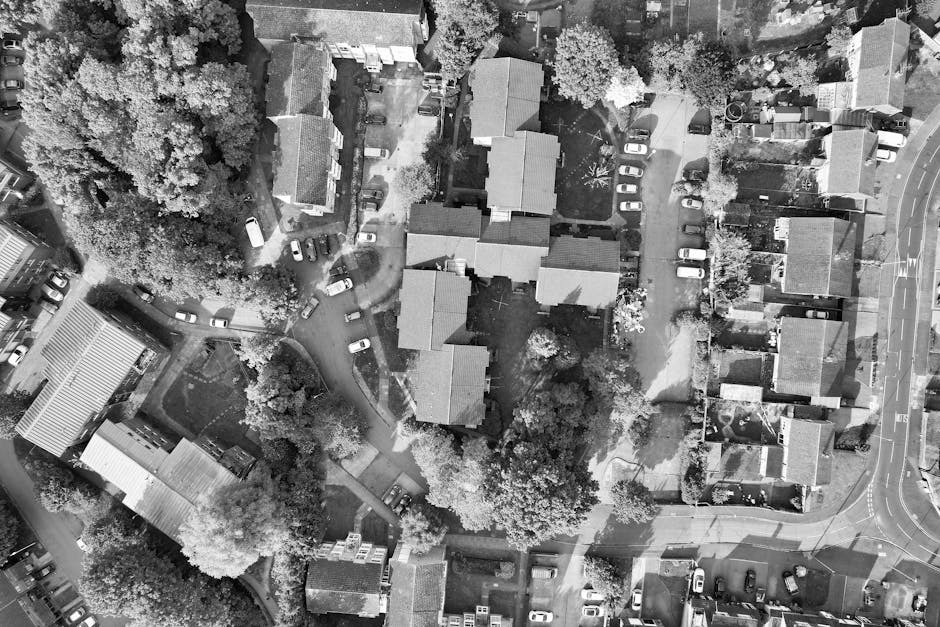
Estimate accuracy for house removals on Coney Hall Estate

If you are planning a move on Coney Hall Estate, the estimate you receive can make the whole process feel either reassuring or mildly chaotic. And let's be honest, nobody wants a nice-looking quote that changes halfway through because a hallway was too narrow, a loft was fuller than expected, or the van couldn't park quite where anyone hoped. Estimate accuracy for house removals on Coney Hall Estate is about more than getting a number on paper. It is about knowing what will actually happen on moving day, what the cost should cover, and where the little surprises usually hide.
This guide breaks down how accurate removal estimates are built, what affects them in this part of Bromley, and how you can improve the chances of a quote matching the final bill. We will look at the practical side too: access, packing, parking, volume, timing, and the small local details that matter more than people think. If you want fewer shocks and a smoother move, you are in the right place.
- Why estimate accuracy matters
- How removal estimates are built
- Benefits of a precise quote
- Who this guide is for
- Step-by-step guidance
- Expert tips
- Common mistakes to avoid
- Tools, resources and recommendations
- Law, compliance and best practice
- Options and comparison
- Real-world example
- Practical checklist
- Conclusion
- Frequently asked questions
Why Estimate accuracy for house removals on Coney Hall Estate Matters
An accurate house removal estimate does a lot of quiet, unglamorous work in the background. It helps you budget properly, choose the right moving service, prepare the property, and avoid awkward conversations on the day when everyone is already tired. That last part matters more than people admit. Moving is stressful enough without trying to renegotiate the job at the kerbside while someone holds a kettle and someone else is looking for the tape dispenser.
On Coney Hall Estate, estimate accuracy matters even more because local moves often involve a mix of property types, access conditions, and timing pressures. A terrace with limited parking is not the same as a ground-floor flat with easy loading. A family home with attic storage is not the same as a compact one-bed with mostly boxed belongings. The removal company needs the right picture, and you need a quote that reflects reality rather than guesswork.
There is also trust at stake. A quote that feels vague can make people hesitate, especially if they have already been burned by hidden extras in the past. On the other hand, a well-prepared estimate creates confidence. It gives you a basis for comparing providers like pricing and quotes, deciding whether you need house removals or a smaller service, and understanding whether extras such as packing or dismantling are likely to matter.
Truth be told, most quote errors are avoidable. They usually come from missing information, rushed assessments, or assumptions about what "a standard house move" looks like. There is no such thing, really. Not in the real world.
Expert summary: The more precise the pre-move information, the more reliable the estimate. Volume, access, packing level, parking, and timing are the main variables that usually change the final price.
How Estimate accuracy for house removals on Coney Hall Estate Works
Removal estimates usually start with a survey of what needs moving. That survey may be done in person, by video call, or through a detailed item list. The estimator is trying to answer a few core questions: how much stuff is there, how awkward is it to move, how much labour will be needed, and how long will the job likely take? Simple in theory. A little messier in practice.
In a good estimate, the company looks beyond the number of boxes. It checks furniture size, fragile items, wardrobes, appliances, garden bits, stair access, lift access if relevant, and whether the route to the vehicle is straight and easy or a bit of a shuffle. Even parking can matter. A short carry from front door to van is one thing; a long walk round the block with a sofa is quite another.
For house moves around Coney Hall Estate, accurate estimates usually depend on the following:
- Volume: how much space your belongings will take in the vehicle.
- Weight and handling: heavy furniture, white goods, and boxes packed with books need more care and time.
- Access: stairs, narrow hallways, low ceilings, awkward corners, or shared entrances can slow things down.
- Distance from property to van: long carries add time and labour.
- Packing status: fully packed, partially packed, or not packed at all changes the workload.
- Special items: pianos, glass, artwork, antiques, and bulky wardrobes can affect planning.
- Timing: weekends, end-of-month moves, and same-day jobs may be priced differently.
Sometimes an estimate is given as a fixed price. Sometimes it is hourly. Sometimes it is a hybrid, with a base price and an adjustment if the final moving conditions differ significantly from what was described. That is not automatically a red flag. In fact, it can be fairer than pretending every move fits into one tidy box.
If you are comparing options, it helps to understand whether you are looking at a man and van setup, a full-team removal service, or something in between. Smaller jobs can be efficient with a van-based service, while larger homes may need a more structured crew and vehicle. Different job sizes, different quote logic.
Key Benefits and Practical Advantages
There are several clear benefits to getting estimate accuracy right, and most of them show up before moving day even begins. The biggest one is calm. You know where you stand. You can plan for packing, storage, transport, and any extras without feeling like the bill is creeping up behind you.
Here are the practical advantages worth paying attention to:
- Better budgeting: you can set aside the right amount and avoid emergency adjustments.
- Cleaner comparisons: you can compare providers on a like-for-like basis instead of guessing what is included.
- Less disruption: accurate planning means fewer surprises at load-out time.
- More suitable vehicle choice: the right van or truck avoids multiple trips and wasted time.
- Reduced damage risk: when the team knows what they are carrying, they can prep properly.
- Faster moving day: a clear estimate usually leads to smoother scheduling and fewer bottlenecks.
There is also a slightly underrated benefit: confidence in the people doing the job. When a removal company asks detailed questions and explains how the quote is formed, it usually means they are thinking properly, not just tossing out a number and hoping for the best. That matters.
And if you need extra support around packing or organisation, it can make sense to combine your move with services such as packing and unpacking services or a broader package through removal services. The right add-on can actually improve estimate accuracy because it reduces the unknowns.
Who This Is For and When It Makes Sense
This topic matters to almost anyone moving house, but a few groups will feel the value most strongly. If you are moving from a two-up-two-down with a lot of books, if you have storage in the loft, if parking is tight, or if you are juggling childcare and work at the same time, then estimate accuracy becomes very real very quickly.
It also matters if you are moving at speed. Same-week moves are common enough, and in those cases the estimate has to be based on sharper information. If you are in a rush, you may find same-day man and van availability useful for understanding how short-notice work is usually handled. Those jobs can still be well quoted, but only if the basics are clear.
It makes sense to focus on estimate accuracy if any of these apply:
- you are moving within or near Coney Hall Estate;
- you have furniture that is large, fragile, or awkward to dismantle;
- you are not sure how much you actually own until you start packing;
- you are comparing several providers and want a fair comparison;
- you want to avoid hidden extras or time-based surprise charges;
- you need a move that fits around school runs, work, or limited access times.
Not everyone needs a fully detailed survey for a small move, to be fair. But the more complex the job, the more important it becomes. A simple flat move with a few boxes is one thing. A family house with a shed, wardrobes, and a washing machine is another entirely.
Step-by-Step Guidance
Below is the practical process for improving estimate accuracy before you commit to a removal booking. It is straightforward, but each step matters. Skip one or two and the final figure can drift.
- List everything that will move. Start room by room. Include obvious items and the awkward ones people forget: mirrors, lamps, boxes in cupboards, garden tools, and items in the loft.
- Identify anything bulky or delicate. Sofas, beds, wardrobes, pianos, glass tables, antiques, and large appliances should be flagged early.
- Check access at both addresses. Note stairs, lift use, narrow entrances, long driveways, parking restrictions, and whether the van can stop close to the property.
- Be clear about packing. Say whether boxes will be ready, half ready, or not started. It sounds obvious, but this is where plenty of estimates wobble.
- Ask how the estimate is calculated. Is it based on volume, time, labour, or a fixed job price? Knowing the method helps you compare properly.
- Share photos or a video walkthrough. A few decent pictures of each room, plus halls and stairs, can sharpen the quote quickly.
- Confirm what is included. Ask about loading, unloading, dismantling, reassembly, waiting time, and supply of packing materials.
- Get the details in writing. Even a simple written summary can save a lot of confusion later.
A good habit, if you have the time, is to do your own mini-survey the day before the quote request. Walk through every room and ask yourself: would someone seeing this for the first time understand the scale of the job? If not, add more detail. A slightly over-explained move is usually safer than a vague one.
If you are moving from a bigger home or a business property, the logic is similar, though the complexity rises. You might compare home moves with commercial moves to understand how service scope affects estimate method and labour planning.
Expert Tips for Better Results
Here is where the practical experience really helps. Accurate estimates are less about magic and more about disciplined detail. A few small habits can tighten the numbers noticeably.
Be honest about clutter. People often describe a room by its floor space and forget the contents. A spare room packed to the ceiling with "just storage" is not just storage. It is work. It takes time, and quote accuracy depends on knowing that.
Send pictures in daylight if possible. Weirdly, this helps. Dark phone photos make rooms look smaller or larger than they are. Mid-morning light by a window often gives the clearest sense of size. Nothing fancy. Just a bit more truth in the picture.
Measure the awkward items. If you have a sofa with a chunky arm, a mattress topper, or a wardrobe that only fits at an angle, send dimensions. This can prevent access problems that a simple list misses.
Tell the estimator about parking reality, not parking hope. That is a big one. "There should be space outside" and "there is always space outside at 10am on a Tuesday" are not the same statement. Not even close.
Ask whether the estimate allows for dismantling. Flat-pack furniture, beds, and some wardrobes may need it. If it is not included, the quote may look lower than it really is.
Keep one box for last-minute items only. This makes it easier to understand what is genuinely left on moving day. People who scatter small items everywhere tend to underestimate volume. Every time.
One more thing: if you are unsure, say so. It is better to admit you do not know exactly how much is in the garage than to pretend. Removal teams can work with uncertainty. They just need to know it is there.
Common Mistakes to Avoid
Estimate problems usually come from the same few mistakes. Once you know them, they are easier to avoid.
- Leaving out rooms or storage areas: lofts, cupboards, sheds, and garages are the classic culprits.
- Underreporting heavy items: a pile of books, for example, can change the handling load more than expected.
- Not mentioning difficult access: staircases, narrow landings, and long carries all affect labour time.
- Assuming packing is included: it often is not unless stated clearly.
- Ignoring disassembly and reassembly needs: beds, wardrobes, and tables can take extra time.
- Comparing quotes without checking what is covered: a cheaper quote can simply be a thinner quote.
- Making changes late and forgetting to update the company: even small additions can affect the estimate.
One slightly annoying truth: people often do not realise how much stuff they have until the boxes start appearing. Then the estimate starts to look optimistic. That is normal. It is also why a proper survey, even a quick one, can save money and stress in the long run.
If you want to reduce the risk of overage charges, useful reading includes why moving quotes vary and average cost and instant quote tips. Those articles help explain where quote differences usually come from, without dressing it up.
Tools, Resources and Recommendations
You do not need specialist software to get a better estimate, but a few simple tools can help you give clearer information and keep the move organised.
| Tool or resource | What it helps with | Why it improves estimate accuracy |
|---|---|---|
| Room-by-room inventory list | Tracking everything to move | Stops hidden items being missed |
| Phone camera | Photos or video walkthroughs | Gives the removal company a better view of volume and access |
| Simple tape measure | Measuring furniture and doorways | Helps spot awkward items before moving day |
| Parking notes | Street access and loading point | Reduces risk of long carry times or loading delays |
| Packing labels | Box organisation | Makes the final job faster and easier to assess |
For many households, the best practical move is to combine a detailed inventory with a visual check. Numbers alone can miss the shape of the job. Photos alone can miss the volume of small items. Together, they work much better.
It is also worth looking at services that support the move itself. For example, if a full-house load feels too much for your current schedule, you may prefer man and van removals or a dedicated moving van option depending on the size of the job. The right vehicle and crew combination has a direct effect on estimate reliability.
Law, Compliance, Standards, or Best Practice
For house removals, estimate accuracy is mostly a matter of good practice rather than legal complexity, but there are still important standards to respect. Removal work should be carried out in a way that is safe, transparent, and properly insured where applicable. The exact arrangements vary by provider, which is why you should always check what the company says about insurance, payment, and responsibility for items in transit.
Before booking, it is sensible to review key company policies such as insurance and safety, health and safety policy, and terms and conditions. Those pages usually explain the framework for handling damage risk, cancellations, payment expectations, and scope of service. They are not exciting reading, no. But they are the kind of boring detail that saves you from an awkward surprise later.
If you are dealing with access restrictions, parking control, or local loading rules, those practical considerations should be flagged in advance so the estimate can account for them properly. The same goes for waste removal, skip usage, or anything that may affect logistics on the day. A responsible provider will want the job planned in a way that is safe and realistic, not rushed and hopeful.
Best practice here is simple:
- give accurate information;
- ask what the quote includes;
- check the company's safety and insurance position;
- keep written confirmation where possible;
- update the mover if anything changes before the job.
That is the standard, really. Clear, calm, documented where needed.
Options, Methods, or Comparison Table
Different quote methods suit different move types. The one that feels cheapest at first glance is not always the one that offers the best estimate accuracy. Here is a practical comparison.
| Method | Best for | Strengths | Watch-outs |
|---|---|---|---|
| Fixed-price estimate | Clearly defined moves | Easy to budget; less uncertainty | Needs good information up front; changes may trigger extras |
| Hourly rate | Smaller or flexible jobs | Simple for short moves; good for variable loads | Total cost can rise if access is slow or packing is unfinished |
| Survey-based quote | Complex household moves | Usually the most accurate for larger homes | Takes more time to arrange |
| Photo/video quote | Moderate moves with good visibility | Fast and convenient | Can miss hidden clutter or difficult access details |
As a rule of thumb, the more complicated the job, the more you benefit from a survey-based quote. For smaller moves, a clear photo set and inventory can be enough. A good provider will tell you which method suits your circumstances instead of pushing one option for every customer. That is usually a positive sign.
Case Study or Real-World Example
Here is a realistic example from a typical Coney Hall Estate move. A couple in a three-bedroom home thought they were booking a fairly straightforward move to another property nearby. They had a sofa, two beds, a dining table, and about 25 boxes. On paper, it sounded modest.
Once they started preparing, they realised there was also loft storage, a packed airing cupboard, two bikes, a heavy chest of drawers, garden items, and a large desk that needed partial dismantling. They had also assumed parking would be easy at both ends, but one property had a tighter loading space than expected. Not impossible, just less convenient than hoped.
The first estimate they received was close, but not quite right because it did not fully account for the loft and the desk work. After a fuller survey, the revised figure became more accurate and the moving plan changed slightly. The team allocated enough time, brought the right tools, and the move finished smoothly rather than in a rush. That mattered because the customers were already managing school pick-up, phone calls from the estate agent, and the general fog of moving day. A bit of calm goes a long way.
The lesson is simple: the estimate was only as good as the information fed into it. Nothing dramatic, just the usual truth. Good input leads to good output.
Practical Checklist
Use this checklist before you request a quote or confirm your booking. It is small, but it catches a lot.
- Walk through every room and storage area.
- List all furniture, appliances, and boxes.
- Measure large or awkward items.
- Check stairs, hallways, door widths, and lift access.
- Note parking conditions at both properties.
- Decide whether you will pack everything yourself.
- Flag fragile or valuable items separately.
- Ask whether dismantling and reassembly are included.
- Clarify whether the quote is fixed or hourly.
- Request a written summary of the estimate.
- Share updates if anything changes before moving day.
- Review insurance, payment, and cancellation terms.
If you can tick most of those off, your estimate will usually be much closer to reality. Not perfect, maybe. But close enough to keep the day running properly, which is what matters.
Conclusion
Estimate accuracy for house removals on Coney Hall Estate comes down to one thing: honest, detailed planning. The best quotes are not the flashiest ones. They are the ones that reflect the real scale of your move, the access at each property, the packing level, and the timing constraints you are dealing with.
When you give clear information and ask sensible questions, you put yourself in a much stronger position. You are more likely to get a fair price, a suitable vehicle, and a moving day that feels organised instead of improvised. And that, frankly, is worth a lot when you are trying to move your life from one address to another.
If you want to keep things simple, start with a careful inventory, a few honest photos, and a proper read-through of the quote details. Small steps, but they make a real difference.
Get a free quote today and see how much you can save.
Frequently Asked Questions
How accurate are house removal estimates on Coney Hall Estate?
They can be very accurate when the mover has clear information about volume, access, packing, and parking. Accuracy drops when details are missing or assumptions are made about the size of the move.
What information improves a removal quote the most?
The biggest improvements usually come from a full inventory, clear photos, honest access notes, and details about heavy or fragile items. Those four things do a lot of heavy lifting, so to speak.
Is a video survey better than photos for estimate accuracy?
Often, yes. A short video walk-through can show layout, access, and how rooms connect, which helps the estimator judge the job more realistically. Photos still help, especially for close-ups of awkward items.
Why do removal quotes vary so much?
They vary because companies may calculate jobs differently. Some use volume, some use time, and some use a fixed price based on risk and labour. If the quote does not explain its method, ask for clarification.
Can parking issues change the final cost?
Yes. If the van cannot park close to the property, the carry time and labour can increase. Even a short walk can matter when several large items are involved.
Should I mention lofts, sheds, and cupboards in the estimate request?
Absolutely. These spaces are easy to forget, but they often contain the items that cause estimates to drift. Better to mention them early than discover them on moving day.
Are fixed-price removals better than hourly rates?
Not always. Fixed prices are great for budgeting if the details are accurate. Hourly rates can work well for smaller, simpler jobs. The better option depends on the move, not the pricing label.
What if I add more items after the quote is given?
You should update the mover as soon as possible. Extra items may change the time, vehicle size, or number of crew needed. Last-minute surprises are where estimates go sideways.
Do I need a survey for a small house move?
Not always. For compact moves, a good photo or video survey may be enough. If the property is larger or access is tricky, a fuller survey is usually worth it.
How do I compare two removal quotes fairly?
Check exactly what each quote includes: labour, loading, unloading, dismantling, packing, waiting time, and insurance. A cheaper quote is not better if it leaves out key parts of the job.
What should I check in the company's terms and conditions?
Look at payment terms, cancellation rules, liability limits, and what happens if the access or inventory changes. It is not glamorous reading, but it is helpful and often saves hassle later.
Can estimate accuracy improve if I pack everything myself?
Yes, if your packing is well organised and finished on time. But packing badly can create its own issues, especially if boxes are overfilled or fragile items are mixed together. Neat packing helps more than rushed packing.
How far in advance should I request a removal estimate?
As early as you can, especially if you are moving during busy periods. Early estimates give you time to compare options, spot problems, and adjust the plan before the pressure rises.
What if the estimate seems too low to be realistic?
Ask the company how they calculated it and what assumptions they made. A very low quote can sometimes mean something important has been left out, which may lead to extra charges later.