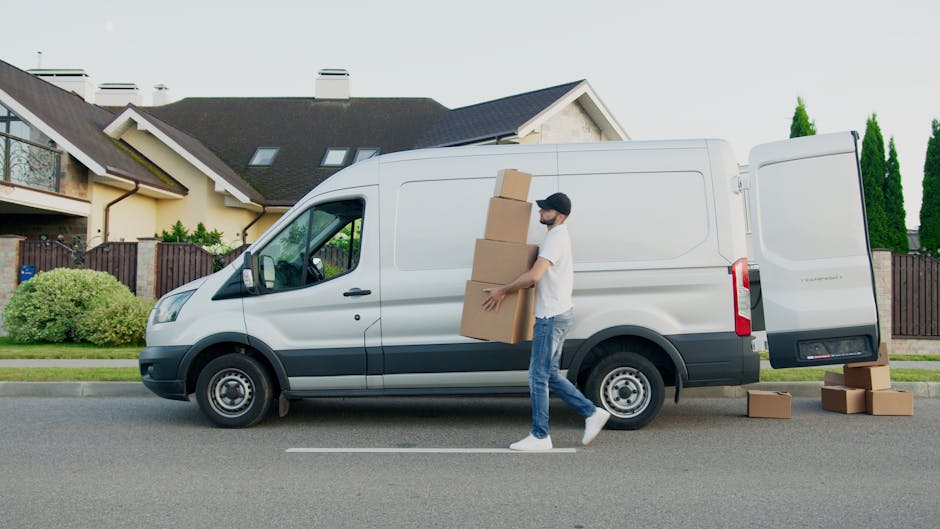
Emergency & Rapid Removals in Coney Hall: Fast, Careful Help When Time Is Tight
Sometimes moving doesn't happen on a neat timeline. A landlord changes plans. A tenancy ends sooner than expected. A sofa has to be out before the decorators arrive. Or a work deadline, family issue, or sudden change means you need Emergency & Rapid Removals in Coney Hall before the day gets any messier. That kind of move is stressful enough already, so the goal is simple: get it sorted quickly, safely, and without creating a second problem for yourself.
This guide explains what rapid removals actually involve, how the process works in practice, and how to make sensible decisions when everything feels a bit rushed. You'll also find practical tips, common mistakes to avoid, and a checklist you can use straight away. If you are dealing with a last-minute move in Coney Hall, or you just want to be ready if one lands on your lap, this should help.
Table of Contents
- Why Emergency & Rapid Removals in Coney Hall Matters
- How Emergency & Rapid Removals in Coney Hall Works
- Key Benefits and Practical Advantages
- Who This Is For and When It Makes Sense
- Step-by-Step Guidance
- Expert Tips for Better Results
- Common Mistakes to Avoid
- Tools, Resources and Recommendations
- Law, Compliance, Standards, or Best Practice
- Options, Methods, or Comparison Table
- Case Study or Real-World Example
- Practical Checklist
- Conclusion
- Frequently Asked Questions
Why Emergency & Rapid Removals in Coney Hall Matters
Urgent moving is not just a faster version of a normal move. It has its own pressures. There is less time to plan routes, pack carefully, protect furniture, or negotiate access at both ends. In a local area like Coney Hall, where roads can be busy at certain times and property layouts vary quite a bit, those pressures show up quickly. One awkward stairwell, one tight parking space, and the whole day can slide.
Rapid removals matter because delays are expensive in a practical sense, even when no one is quoting you a figure yet. Missed handover times can cause extra storage costs, stranded furniture, awkward conversations with landlords or buyers, and a lot of avoidable lifting. Truth be told, people often think the main problem is the transport. It usually isn't. The real issue is coordination.
That is why a fast moving service is about more than speed. It needs judgment. Someone has to decide what can be moved immediately, what should be wrapped first, what needs two people, and what should wait. A good local team will not simply rush; they'll make the move feel controlled, even if your morning has been anything but.
If your situation is more about relocating a full household quickly, it can also help to read about stress-free home relocation planning so you can see how a rushed move differs from a standard one.
How Emergency & Rapid Removals in Coney Hall Works
Although every job is different, rapid removals usually follow a simple pattern. The faster the timeline, the more important it becomes to keep the first conversation clear and accurate. If you can explain the situation well, the removal team can usually respond more efficiently.
1. Initial call or enquiry
You describe what needs moving, where it is going, and how soon it has to happen. The most useful details are often the least glamorous ones: stairs, parking, lift access, narrow hallways, fragile items, or anything unusually heavy. A chest freezer in a cramped kitchen is a different request from a box of clothes and a few bags. Obvious, maybe, but this is where a rushed move can get tangled.
2. Fast assessment
The team assesses whether the job can be done same day, next day, or within a short agreed window. Some moves are straightforward and need only a van and a couple of hands. Others need extra care, more packing, or specific lifting equipment. For items such as pianos or particularly awkward furniture, specialist handling may be the sensible route; you can see how this differs on the piano removals in Coney Hall page.
3. Load planning
Speed does not mean chaos. The loading order matters. Heavier pieces usually go first, with lighter and more fragile items secured around them. A careful team will think about balance, access at the destination, and how to prevent friction marks or movement in transit. That part is not flashy, but it saves headaches.
4. Collection and transport
At collection, the team will often work quickly but methodically. Bags, boxes, furniture, and appliances are moved in the right sequence so the property is cleared efficiently. If there are delays at the property, the best teams adapt without making the day feel panicked. A van sitting in the street while everyone hunts for keys is not ideal, but it happens; the point is to recover quickly.
5. Delivery and placement
Once at the destination, items should be unloaded and placed where practical. In a rushed move, this can make the difference between a house that feels usable by evening and one that still looks like a shipping depot at 8pm. Not a great vibe, let's face it.
Key Benefits and Practical Advantages
There are obvious benefits to fast removals, but there are also a few quieter ones that people only notice afterwards.
- Reduced disruption: You can get a property cleared before a deadline, inspection, or checkout.
- Less physical strain: Heavy lifting under pressure is when injuries happen most often. A professional team reduces that risk.
- Better damage control: Proper handling lowers the chance of scratches, dents, broken corners, and crushed box contents.
- Faster recovery: You can settle into the next place sooner, rather than living out of bags and half-packed boxes for days.
- Cleaner decision-making: With experienced help, you do not have to invent a moving strategy while already under stress.
There is also a psychological benefit that is easy to underestimate. Once the first load leaves the property, the whole situation often feels more manageable. You can see progress. That shift matters. It changes the tone of the day.
If you're trying to pair speed with the right vehicle and manpower, the local options on man with a van in Coney Hall and removal services in Coney Hall are worth understanding before you commit.
Who This Is For and When It Makes Sense
Rapid removals are not just for dramatic emergencies. They suit anyone facing a move that is compressed, awkward, or unexpectedly urgent.
- Tenants with short notice: If a tenancy ends quickly or keys have to be returned early, a fast move can be essential.
- Homeowners under pressure: Sometimes completion dates shift, and the window for moving becomes tight.
- Students: A last-minute room change, term-end departure, or storage shuffle can create a rushed move. The student removals in Coney Hall page is useful if that sounds familiar.
- Flat dwellers: Smaller access routes and shared entrances make speed and planning equally important. See also flat removals in Coney Hall.
- Office or small business moves: If desks, files, or stock need shifting quickly, downtime becomes the real issue. Check office removals in Coney Hall.
- People dealing with unexpected access issues: If a property becomes temporarily unavailable, or there is a building issue, moving fast may be the only sensible option.
Sometimes people ask whether they really need an emergency service or just a normal move booked sooner. A good test is this: if the timing pressure is likely to cause mistakes, stress, or a missed deadline, then rapid support usually makes sense. If you have time to sort, label, and pack properly, you may not need the emergency version.
Step-by-Step Guidance
Here is a practical way to handle a short-notice move without letting it spiral.
- Confirm the deadline. Write down the exact time the property must be cleared, not just the date. Small detail, big difference.
- List the essentials. Identify what must go, what can be stored, and what can be left behind if necessary.
- Group items by priority. Start with documents, valuables, medication, chargers, keys, and essentials for the first 24 hours.
- Separate fragile and heavy items. Do not bury fragile things under books, tools, or loose kitchenware.
- Measure difficult items. Sofas, beds, wardrobes, and appliances need checking before the van arrives. If something looks awkward, it probably is.
- Check access at both properties. Parking, stair width, lift availability, and door clearance matter a lot more on moving day than on paper.
- Book the right transport. If you are using a smaller vehicle or a removal van in Coney Hall, make sure capacity matches the load.
- Prepare a landing zone. Keep hallways clear so items can be moved out in a clean line. It sounds small; it saves time.
- Label quickly and sensibly. Even rough labels help. "Kitchen", "bedroom", "fragile", and "open first" is enough.
- Keep one essentials bag aside. Kettle, phone charger, toiletries, basic bedding, and a change of clothes. You'll thank yourself later.
If you have time to pack properly, a structured approach like the one in hassle-free packing guidance can reduce the amount of last-minute scrambling.
Expert Tips for Better Results
Fast removals work best when they are simple. The aim is not perfection; it is clean execution.
- Move the hardest items first. If the van team is available early, get the bulky furniture out before you run low on energy.
- Use proper lifting technique. Bent knees, straight back, no twisting under load. Basic advice, yes, but still ignored all the time. For a clearer breakdown, see the guide to kinetic lifting.
- Don't overpack boxes. In a rush, people throw too much into one box. That is how handles fail and backs complain.
- Protect corners and surfaces. A simple blanket or wrap can stop a rushed move turning into a scratched-door story.
- Be honest about access. If a sofa has to turn sharply in the stairwell, say so early. Guessing is not a strategy.
- Keep valuables with you. Passports, jewellery, laptops, and contracts should not disappear into a pile of general household goods.
- Plan for parking, not just loading. A van parked too far away can eat time very quickly.
One practical local tip: if you know a collection point is tight or busy, aim for the quieter side of the day where possible. Even a small gap in traffic can make a huge difference. It is the kind of thing people forget until they are standing there with a wardrobe half out the door.
And if you're moving bulky items without much preparation, have a look at safe lifting for heavy objects before you start improvising.
Common Mistakes to Avoid
Emergency moves tend to go wrong in familiar ways. The good news is that most of them are preventable.
- Leaving packing too late: A "we'll do it this evening" plan often becomes a midnight scramble.
- Assuming everything will fit first time: Large furniture often needs dismantling or a different loading order.
- Ignoring fragile item prep: Plates, glassware, mirrors, and electronics need more than a quick throw into a box.
- Forgetting access details: No parking, no lift, or shared entry restrictions can slow the whole job.
- Not checking service scope: Some people need packing, some need transport only, and some need storage as well. Mixing these up causes problems.
- Choosing the cheapest option without checking fit: A low quote is not helpful if the service cannot handle stairs, time pressure, or bulky furniture properly.
- Overlooking insurance and safety: If an item is valuable or awkward, you want to know how it is being handled.
A lot of these mistakes come from panic. Understandable, of course. But panic makes people pack the wrong things in the wrong order and forget basics like keys, fuel, or a contact number. Slow down just enough to stay organised.
Tools, Resources and Recommendations
You do not need a warehouse of equipment for a rapid move, but a few simple tools can make the day much smoother.
Useful moving tools
- Strong boxes in mixed sizes
- Packing tape and tape gun
- Permanent marker for labels
- Blankets or furniture pads
- Stretch wrap for soft protection
- Gloves with grip
- Dolly or sack truck for heavier items
- Torches for dark hallways, garages, or late-afternoon moves in winter
Helpful supporting pages
If you want to prepare properly, these resources fit naturally into the process:
- packing and boxes in Coney Hall for getting materials sorted quickly
- storage in Coney Hall if you need to split the move into stages
- furniture removals in Coney Hall for larger household items
- decluttering before a move if you need to reduce load quickly
One small but useful recommendation: if you suspect you will need storage, decide early. Putting it off creates double handling, and double handling is where time disappears. For a freezer, sofa, or bed in particular, planning storage properly matters. The articles on storing a freezer when dormant and protecting a sofa in storage are especially useful if your move is being split.
Law, Compliance, Standards, or Best Practice
Emergency removals are not usually about complex paperwork, but there are still sensible standards to keep in mind. In the UK, moving work should be carried out with proper care for property, access, and safety. That means clear communication, careful lifting, and a practical approach to risk, especially where stairways, narrow halls, or heavy furniture are involved.
Good practice normally includes:
- Checking how items will be handled before the move starts
- Using suitable equipment for heavier or awkward goods
- Being clear about liability, insurance, and service limits
- Avoiding unsafe lifting by untrained people when the item is too heavy or too large
- Keeping pathways clear to reduce trip hazards
For peace of mind, it is also sensible to review the company's service pages before booking. The insurance and safety, health and safety policy, and terms and conditions pages are the sort of details that help set expectations properly. Not glamorous reading, admittedly, but useful.
If you are dealing with a sensitive household or a situation where vulnerable people are involved, it is also reassuring to know the business has a published approach to responsible working, including its modern slavery statement. That kind of transparency is part of overall trust.
Options, Methods, or Comparison Table
When you need to move quickly, there are a few common approaches. The right one depends on the size of the job, how urgent it is, and how much you can prepare yourself.
| Option | Best for | Strengths | Trade-offs |
|---|---|---|---|
| Same-day removals | Sudden deadlines, urgent handovers, unexpected changes | Fast response, simple coordination, immediate relief | May require flexible timing and quick decision-making |
| Man and van service | Smaller loads, light flats, partial moves | Efficient, often easier to arrange, good for short notice | May not suit large households or many bulky items |
| Full removal service | Complete house or office moves | More hands, more structure, better for complex loads | Needs a little more planning, even if booked quickly |
| Hybrid move with storage | When keys, access, or dates do not line up | Flexible, less pressure on moving day | Can mean extra handling and temporary storage costs |
For many urgent local jobs, the decision comes down to this: do you need transport only, or do you need a managed service that handles loading, handling, and placement as well? If you are uncertain, start with the broader removals in Coney Hall overview and then narrow it down. That usually saves time.
Case Study or Real-World Example
Imagine a small flat in Coney Hall where a tenant receives a short-notice move-out date. They have a bed, a sofa, a dining table, a few boxes, and a fridge freezer that cannot simply be abandoned. The property has narrow communal access, and the lift is out for part of the day. Not a disaster, but definitely a "right, we need a plan" moment.
In a situation like that, the move is easiest when it is split into clear stages:
- Pack essentials and valuables first
- Dismantle the bed and secure the mattress
- Wrap the sofa and protect corners
- Move boxed items out before the larger furniture
- Load the fridge freezer last, or separately if needed
- Use short, direct routes through the building
If the tenant had tried to do everything alone after work, the move would likely have dragged into the evening. Instead, a rapid removal approach keeps it contained. One van, a focused loading order, and a steady pace. Nothing dramatic. Just good execution. That is usually what people need most.
In a similar rush, we often see people realise too late that they should have kept the mattress and bed materials together. The guide on transporting your bed and mattress is a practical reminder of how easily those items can become awkward if separated too early.
Practical Checklist
Use this checklist if you need to move quickly and want to keep the day under control.
- Confirm your move-out and move-in times
- List every item that must go
- Identify fragile, heavy, and valuable items
- Check stair access, parking, and lift availability
- Gather boxes, tape, wraps, and labels
- Pack essentials separately
- Keep documents, keys, chargers, and valuables with you
- Measure furniture and note anything awkward
- Decide whether storage is needed
- Review safety, insurance, and service terms
- Clear hallways and create a loading path
- Ask for help before the job becomes unmanageable
Expert summary: the best emergency move is not the fastest possible scramble; it is the fastest safe plan. Small decisions early in the day save a surprising amount of time later on. That part really does matter.
Get a free quote today and see how much you can save.
Conclusion
Emergency moves are never ideal, but they do not have to become a disaster. With the right planning, the right vehicle, and a team that understands how to work calmly under pressure, Emergency & Rapid Removals in Coney Hall can feel far more manageable than you might expect. The trick is to keep things clear, honest, and practical from the first phone call onward.
If you are facing a short deadline, need same-day support, or simply want a local team that can take the weight off your shoulders, the best next step is to gather your details and get the move assessed properly. A few minutes of clarity now can save hours later. And once the last box is out, the place suddenly feels quieter. A bit lighter. Like you can breathe again.
Frequently Asked Questions
What counts as an emergency removal in Coney Hall?
An emergency removal is usually any move that has to happen at very short notice because of a deadline, unexpected change, or access issue. It can be same-day, next-day, or simply faster than a standard booked move.
Can same-day removals really be arranged quickly?
Often, yes. It depends on the load size, the time available, access at both properties, and whether the service has a suitable vehicle and crew free. The sooner you enquire, the better the chance of success.
Is a man and van service enough for a rapid move?
For smaller loads, partial moves, or light flat moves, it may be enough. For larger households, awkward furniture, or multiple bulky items, a fuller removal service is usually more practical.
What should I pack first if I only have a few hours?
Start with valuables, documents, medication, chargers, toiletries, and a small set of clothes. Then move on to essentials for the first night, followed by fragile items and bulky furniture.
How do I know if I need storage as part of the move?
If your move-out and move-in dates do not line up, or if you cannot take everything in one go, storage may help. It is especially useful for large items you cannot place immediately in the new property.
Do I need to dismantle furniture before a rapid removal?
Not always, but it often helps. Beds, large wardrobes, and some tables are easier and safer to move when partly dismantled. If you are unsure, ask before the crew arrives so time is not wasted.
What are the biggest risks in a rushed move?
The biggest risks are damage to furniture, overpacked boxes, trip hazards, poor lifting technique, and delays caused by access problems. Rushing without a plan tends to create more work, not less.
Are emergency removals more expensive?
They can be, because short notice and timing constraints may limit availability. The exact cost depends on the load, distance, access, and how much help is required. A proper quote is always the safest way to judge value.
What if I have heavy or awkward items like a piano or freezer?
Those items need careful handling and sometimes specialist support. A piano is especially tricky, and fridges or freezers need sensible preparation before transport or storage. Mention them early so the right plan can be made.
How can I make a rapid move less stressful?
Keep your priorities simple, pack one essentials bag, be honest about what needs moving, and avoid trying to do everything alone. A calm, structured approach usually beats a frantic one, even when time is tight.
What should I ask before booking a same-day move?
Ask what the service includes, how many people are coming, whether insurance is in place, how access issues are handled, and whether storage or packing support is available if needed.
Can rapid removals handle flats and office moves too?
Yes, if the service is set up for it. Flats often need careful access planning, while office moves need speed and minimal downtime. Both can be managed well with the right preparation.
What if I need to move from West Wickham into Coney Hall quickly?
Local moves like that are often easier than long-distance jobs, but they still need planning. For practical local context, the guide on moving from West Wickham into Coney Hall is a helpful read.